
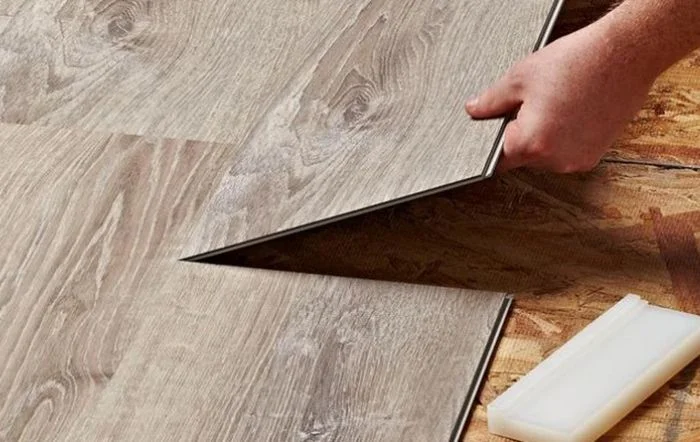
LVT (Luxury Vinyl Tile) and LVP (Luxury Vinyl Plank) are two of the most popular options for luxury vinyl flooring, known for their durability, style, and affordability. While both are crafted from high-quality vinyl, the main difference lies in their appearance. LVT is designed to mimic natural stone or ceramic tiles, while LVP replicates the look of traditional hardwood planks. Whether you prefer a sleek tile aesthetic or the warmth of wood, understanding the differences between LVT and LVP will help you choose the perfect flooring for your home.
What is Luxury Vinyl Tile (LVT) Flooring?
Luxury Vinyl Tile (LVT) combines the timeless beauty of stone or ceramic tile with the resilience of modern technology. With LVT, you get the elegance of tile underfoot along with durability that resists spills, scratches, and daily wear. Available in a wide range of styles from modern to traditional, LVT is perfect for moisture-prone rooms like kitchens, bathrooms, and laundry spaces. It is both practical and stylish, giving you the best of both worlds.
What is Luxury Vinyl Plank (LVP) Flooring?
Luxury Vinyl Plank (LVP) flooring captures the natural warmth and character of hardwood, right down to realistic textures and tones, but without the upkeep and maintenance concerns of wood. From rustic farmhouse charm to sleek urban style, LVP offers countless design options that bring comfort and elegance to any room. Because it is waterproof, durable, and easy to maintain, LVP is especially well-suited for busy households.
LVT vs. LVP: What’s the Difference?
When deciding between LVT and LVP, here are the key distinctions:
-
Appearance
LVT replicates the look of natural stone or ceramic tile, offering a refined, elegant feel. LVP delivers the authentic look of hardwood, complete with wood grain patterns for a cozy, classic style. -
Installation
LVT allows for custom patterns, making it great for creative designs. LVP provides a seamless, flowing look that can make rooms appear larger and more cohesive. -
Durability
Both are engineered to handle heavy foot traffic, pets, and spills. They are water-resistant, easy to clean, and built to last for years with proper care.
Where Can LVT and LVP Be Installed?
Thanks to their durability and moisture resistance, both LVT and LVP can be installed almost anywhere in your home, including:
-
Kitchens
-
Bathrooms
-
Living rooms
-
Dining rooms
-
Laundry rooms
-
Bedrooms
-
Mudrooms
-
Hallways
Choosing Between LVT and LVP
Your decision depends on your style and the atmosphere you want to create.
-
Prefer the sophisticated look of stone or tile? Go with LVT.
-
Love the warmth and timeless appeal of wood? Choose LVP.
Both options are affordable, stylish, and designed for everyday life, making them smart investments for any space.
FAQs About LVT
Is LVT waterproof?
Yes, many LVT options are fully waterproof, making them ideal for bathrooms, kitchens, and basements.
Can LVT be used in kitchens and bathrooms?
Absolutely, it resists spills and humidity while maintaining a beautiful appearance.
How do you clean LVT?
Simply sweep or vacuum regularly, and mop occasionally with a mild cleaner. Avoid harsh chemicals or abrasive tools.
FAQs About LVP
Is LVP good for high-traffic areas?
Yes, it is built to handle busy households and even commercial spaces.
What design options are available?
From rustic oak to sleek maple, LVP offers countless wood looks in a variety of finishes and colors.
Can LVP be installed over existing flooring?
In many cases yes, as long as the subfloor is clean, level, and in good condition.
Shop Luxury Vinyl Flooring at Quality Carpet
Ready to transform your home with new floors? Quality Carpet offers a wide variety of luxury vinyl tile and plank flooring options in styles and finishes to fit your vision. Not sure which is right for you? Visit our Thunder Bay showroom today! At Quality Carpet, we make it simple and stress-free to find floors you’ll love for years to come.